


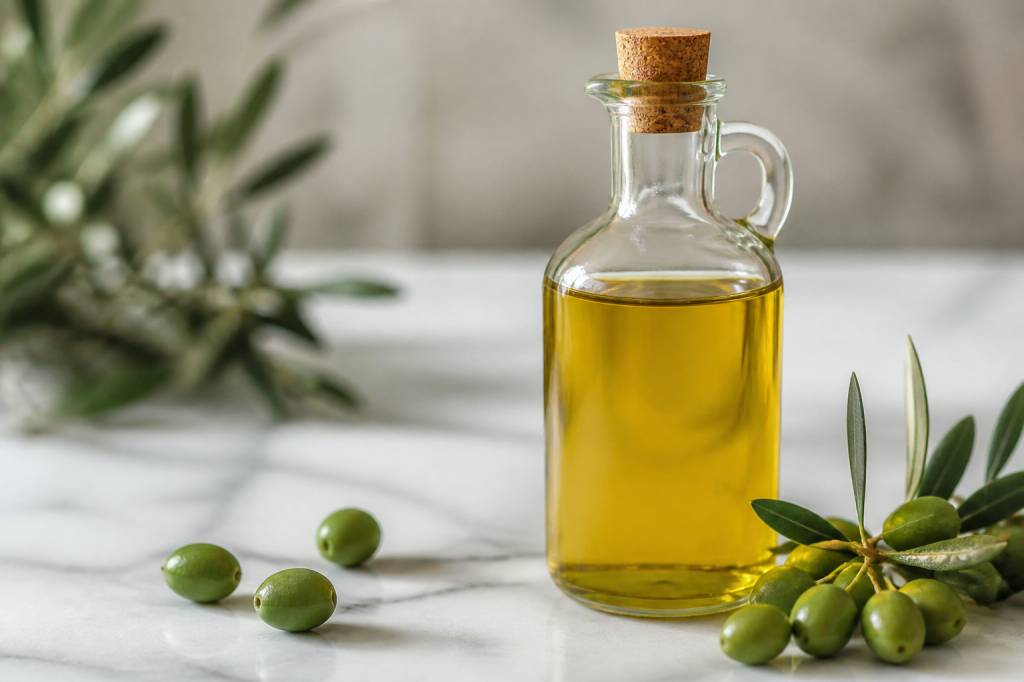
Olive oil sits in a lot of kitchens like a quiet little multitasker: salad dressing, pasta, roasted vegetables, and sometimes, in a moment of “wait… could this work?” personal lubricant. It’s a fair question. Natural, easy to find, and already in the house—what could go wrong?
Quite a bit, actually. The short answer is: yes, olive oil can be used as a lubricant for some kinds of sexual activity, but it comes with important caveats. It is not always the safest or most practical option, especially if you’re using condoms, silicone toys, or you’re prone to irritation or vaginal infections.
If you’re wondering whether olive oil is a clever budget-friendly hack or a slippery disaster waiting to happen, let’s break it down clearly.
Can olive oil be used as personal lubricant?
Technically, yes. Olive oil is a plant-based oil that creates a slick, long-lasting glide, which is why some people use it for masturbation, external stimulation, or partnered sex. It does not evaporate quickly like water-based lubes, so it can feel rich and cushiony on the skin.
That said, “can” does not automatically mean “should.” The body is not a frying pan, and genitals are a lot more sensitive than a sauté. Olive oil can work in the right circumstances, but it is not designed as a sexual lubricant, so it lacks the careful pH balance, microbiological safety, and material compatibility of products made specifically for intimate use.
In other words: effective in a pinch, ideal? Not really.
Why some people like using olive oil
There’s a reason olive oil comes up in this conversation again and again. It has a few advantages that make it appealing:
- It is easy to find in most kitchens.
- It provides a long-lasting slippery feel.
- It can feel more “natural” to people who want to avoid certain ingredients.
- It usually costs less than buying a specialty lubricant.
For external use only, some people enjoy the texture during solo play or massage. If you’ve ever noticed that water-based lube can dry out mid-session and leave you reapplying every five minutes, olive oil may seem like a dream. It sticks around.
But staying power is a double-edged sword. What makes olive oil long-lasting also makes it harder to clean, more likely to stain sheets, and more likely to cause issues for sensitive bodies.
The biggest problem: condoms and oil do not mix
This is the most important point in the whole article, so let’s say it clearly: olive oil should not be used with latex condoms.
Oil breaks down latex. That means the condom can weaken, stretch oddly, or tear more easily, which increases the risk of pregnancy and STI transmission. Even if the condom looks fine, it may already have lost its protective strength.
If condoms are part of your safer-sex routine, stick with water-based or silicone-based lubricants that are labeled condom-compatible. Your future self will thank you for the lack of drama.
And yes, this applies to internal condoms and many latex barriers too. When in doubt, check the package instructions and the lube label. Your bedroom deserves better than a chemistry experiment.
What about silicone toys and olive oil?
Another major concern: olive oil can be a bad match for sex toys, especially silicone ones.
Silicone toys are popular because they’re body-safe, smooth, and durable. But oils can degrade the surface of some materials over time, making them feel tacky or less stable. Even if immediate damage does not happen, repeated use of oil can shorten the life of the toy.
If you use olive oil with a toy, test the manufacturer’s guidance first. Many toy brands specifically recommend water-based lubricants only. That’s not marketing fussiness; it’s about keeping the toy safe and intact.
A good rule of thumb:
- Silicone toys: usually best with water-based lube.
- Glass or stainless steel toys: more compatible with a wider range of lubes.
- Latex toys or sleeves: avoid oil-based lubes.
If your toy is an investment, don’t let a bottle of cooking oil ruin the vibe—or the material.
Can olive oil affect vaginal health?
Yes, it can. The vagina is a self-regulating environment with its own delicate balance of bacteria and pH. Introducing oil can disrupt that balance for some people, especially if you are already prone to yeast infections, bacterial vaginosis, or general irritation.
Olive oil may create a barrier that traps moisture and bacteria, and in some bodies that can be enough to trigger discomfort. It can also be difficult to fully remove, which means residue may linger longer than expected.
Some people tolerate it without any obvious problems. Others notice itching, discharge changes, or irritation after use. Bodies are annoying like that: the same thing can feel fine for one person and totally not fine for another.
If you have a history of recurrent vaginal infections or sensitive skin, it’s usually safer to choose a lubricant formulated for intimate use. Those products are designed with pH and body compatibility in mind.
What about anal play?
Olive oil can feel especially slippery for anal play, and because anal tissue does not self-lubricate, plenty of people are tempted to use what they have on hand. But the same cautions apply, and then some.
Anal play typically requires more lubrication than vaginal play, and because there is a higher risk of microtears, cleanliness matters even more. Oil can be harder to wash away completely, and if there is any switch from anal to vaginal contact, bacteria can be transferred easily.
If you want to use olive oil for external anal stimulation only, you still need to think about condoms and cleanup. For penetrative anal sex, a purpose-made lube is usually the better choice because it tends to be safer, cleaner, and more predictable.
Pros and cons of olive oil as lube
Let’s make this simple. Here’s the balanced view.
Potential pros:
- Affordable and easy to find
- Long-lasting glide
- Simple ingredient profile
- Can feel very smooth on the skin
Potential cons:
- Not safe with latex condoms
- Can damage some sex toys
- May irritate sensitive skin or vaginal tissue
- Harder to clean from skin, sheets, and fabrics
- May contribute to infection risk for some people
So yes, olive oil can be slippery and satisfying. But it is also a bit of a wildcard. If your sexual routine is casual, external, and condom-free, it may work in a pinch. If your routine involves barriers, toys, or sensitive vaginal health, there are better options.
How to use olive oil more safely, if you still want to try it
If you’re determined to experiment, the key is to keep it limited and intentional. Think “emergency workaround,” not “new forever favorite.”
- Use only a small amount at first.
- Apply externally before trying any extended use.
- Avoid using it with latex condoms.
- Do not use it with silicone toys unless the toy manufacturer says it’s safe.
- Stop immediately if you feel burning, itching, or unusual irritation.
- Wash thoroughly afterward with mild soap and warm water.
If you plan to have penetrative sex, the safer move is to keep a body-safe lubricant nearby rather than improvising. The best sex accessory is the one that doesn’t cause a follow-up appointment.
How does olive oil compare to other lubricants?
Olive oil is only one of many options, and it is not always the best fit. Here’s how it stacks up in practical terms.
Water-based lubes: These are usually the most versatile. They’re condom-safe, toy-friendly, easy to wash off, and ideal for most people. The downside is that they can dry out faster and may need reapplication.
Silicone-based lubes: These are long-lasting, very slick, and excellent for shower sex or longer sessions. They’re generally condom-safe, but may not be compatible with all silicone toys.
Oil-based lubes: These include olive oil, coconut oil, and other plant oils. They last a long time, but they are not latex-condom safe and may be incompatible with some toys. They are also harder to clean.
Hybrid lubes: These combine ingredients for a middle-ground feel, though compatibility varies by product. Always read the label.
If your goal is ease, safety, and flexibility, a dedicated lube usually wins. Olive oil is more like the improvised backup singer than the headline act.
When olive oil is a definite no
There are a few situations where olive oil is best left in the kitchen.
- You are using latex condoms.
- You have a history of yeast infections or vaginal irritation.
- You’re using silicone or latex sex toys and the manufacturer says not to use oil.
- You want easy cleanup and stain-free sheets.
- You need a lubricant that is pH-balanced for vaginal use.
If any of those apply, choose something made specifically for intimate use. That is not being fussy; that is being smart.
What to look for in a better alternative
If you’re shopping for a lube, focus on a few practical basics rather than flashy packaging. The best product for your body is the one that works reliably without drama.
- Body-safe ingredients: ideally minimal irritation potential.
- Condom compatibility: especially if you use latex.
- Toy compatibility: check if you use silicone toys.
- pH-balanced formulas: particularly for vaginal use.
- Texture you enjoy: thin, silky, thick, or long-lasting.
And yes, sometimes finding your ideal lube is a bit like dating. The first one may be fine, the second one may be weirdly sticky, and eventually you find the one that just works.
So, is olive oil worth using?
Olive oil can be used as a lubricant in limited circumstances, but it is not the safest all-purpose option. It works best as an occasional fallback for external use when you do not need condoms or toy compatibility, and when your skin is not easily irritated.
If you want a low-risk, reliable solution for regular sex or solo play, a proper personal lubricant is usually the better choice. You’ll get better safety, less mess, and fewer surprises—which, in intimacy, is often a very good thing.
So the next time you catch yourself eyeing the olive oil bottle and wondering if it can pull double duty, the real answer is: maybe, but probably not your best move. Your body deserves something made for the job.
And your bedsheets will be grateful too.