 par
par It’s one of those questions people ask quietly, often after a quick grab from the bathroom shelf: Can I use Vaseline as lube? The short answer is that it depends on what kind of sex you’re having, but for most intimate use, Vaseline is not the best choice. It may feel slick, stay on the skin for a long time, and look like a convenient fix in a pinch, but petroleum jelly comes with some real downsides that are worth knowing before things heat up.
If you’ve ever been tempted to use it because you ran out of lube, you’re not alone. Plenty of people have been there. But when it comes to sexual comfort, toy safety, and genital health, “works in a pinch” is not always the same as “safe and smart.” Let’s break it down clearly, without shame and without the marketing fluff.
What Vaseline actually is
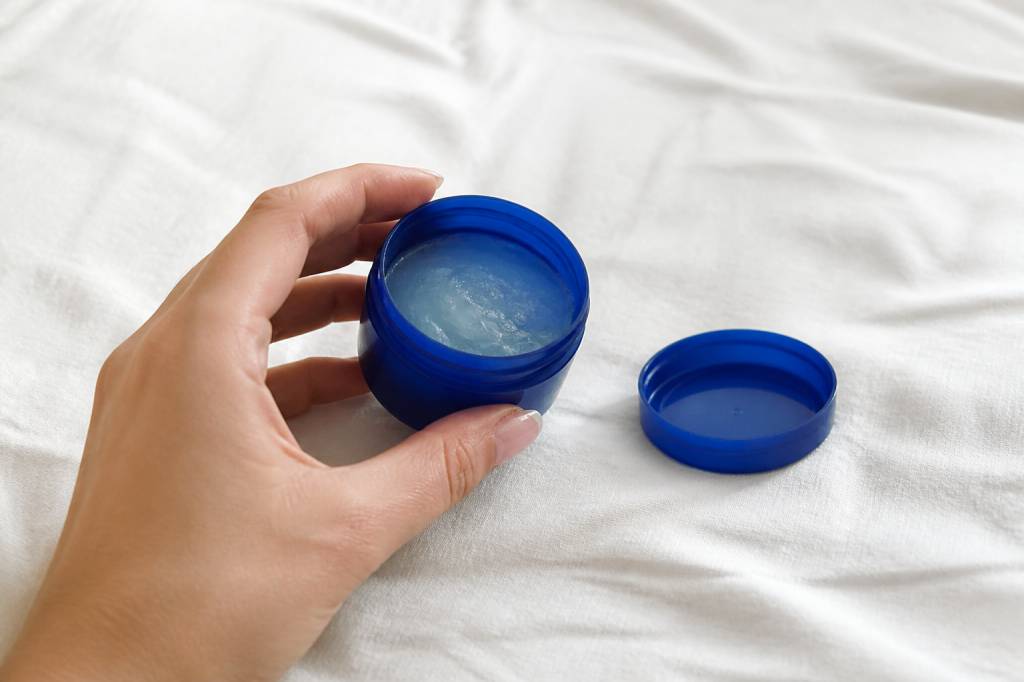
Vaseline is a brand of petroleum jelly, which is a byproduct of petroleum processing. It’s an occlusive, meaning it forms a barrier on the skin and helps lock in moisture. That’s why people use it for dry lips, cracked heels, or to protect irritated skin.
That barrier effect is also exactly why people think it might work as a sexual lubricant. It stays slippery for a long time and doesn’t dry out quickly. Sounds useful, right? The problem is that what makes it useful on dry skin can create issues on genitals and with certain condoms or sex toys.
Is Vaseline safe for sex?
For external rubbing, Vaseline is not immediately toxic, but that does not make it a good lubricant for sex. It can interfere with the body’s natural environment, trap bacteria, and increase the risk of irritation or infection. It’s especially problematic for vaginal or anal sex, where the tissue is more delicate and the risk of microtears is higher.
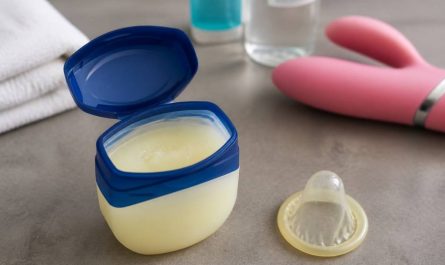
There’s also the condom issue. Petroleum-based products, including Vaseline, can weaken latex condoms and make them more likely to break. If your safer-sex plan includes condoms, Vaseline is basically the uninvited guest that ruins the party.
So while it may be technically usable on skin in some non-penetrative situations, it is generally not recommended as a sex lube.
Why people reach for it anyway
Let’s be honest: Vaseline is easy to find, cheap, and feels very slick. People often keep it around the house, so it can seem like a convenient substitute when proper lube isn’t nearby. In the moment, that convenience can be tempting.
There’s also a common assumption that “if it’s safe on skin, it should be safe everywhere.” Unfortunately, the vulva, vagina, anus, and penis are not the same as elbow skin. Genital tissue is more sensitive and more vulnerable to disruption. What feels harmless on one body part can become a problem on another.
The main risks of using Vaseline for sex
Here’s where things get practical. The risks aren’t just theoretical; they come from how petroleum jelly behaves on the body.
- It can increase infection risk. Petroleum jelly can trap bacteria and moisture against the skin, which may create a friendlier environment for yeast or bacterial overgrowth.
- It can irritate delicate tissue. Some people are fine with it on skin but notice burning, discomfort, or a “too coated” sensation on genitals.
- It can damage latex condoms. This is one of the biggest problems. If you rely on latex condoms, petroleum-based products are a no-go.
- It may be difficult to clean off. Vaseline is thick and long-lasting, which means it can linger in folds of skin and be harder to wash away fully.
- It can affect sex toys. Depending on the toy material, petroleum jelly may degrade silicone over time or leave a stubborn residue that’s difficult to sanitize.
If you’re using lube to make sex more comfortable, anything that adds friction, residue, or cleanup stress is kind of missing the point.
Can you use Vaseline with condoms?
With latex condoms, no. Petroleum jelly weakens latex and increases the risk of breakage. That means a higher risk of pregnancy and sexually transmitted infections. If condoms are in the picture, Vaseline is not a safe pairing.
What about non-latex condoms? Some polyurethane or polyisoprene condoms may be more resistant to oils, but that doesn’t automatically make Vaseline a good idea. Different brands and materials have different compatibility rules, and the safest move is to check the packaging. Even then, a dedicated sexual lubricant is usually the better choice.
When in doubt, use a water-based or silicone-based lube that explicitly says it’s condom-safe.
What about using Vaseline for anal sex?
This is where the answer becomes even clearer: it’s best to avoid it. The anus does not self-lubricate, and anal play requires plenty of lubricant to reduce friction and protect delicate tissue. Vaseline might feel slick at first, but its thick, sticky barrier can trap bacteria and make cleanup more difficult afterward.
Anal tissue is especially prone to tiny tears, and those tears can increase the risk of infection. If you’re exploring anal sex, choose a lube that is designed for prolonged glide and easy cleanup. A thicker water-based lube or a high-quality silicone lube is a much better fit.
Can you use Vaseline for vaginal sex?
It’s not recommended. The vagina maintains a delicate balance of bacteria and pH, and petroleum jelly can disturb that environment. Some people may not notice issues right away, but others can experience irritation, increased discharge, or infections like bacterial vaginosis or yeast overgrowth.
Another thing to keep in mind: because Vaseline is so occlusive, it can stay in the vagina longer than a typical lubricant, making it harder for the body to naturally clear it out. That can lead to discomfort or a lingering greasy sensation that’s not exactly sexy after the fact.
If vaginal dryness is an issue, there are much better solutions. You want glide, not guesswork.
Is Vaseline safe for external masturbation?
If you’re talking about external stimulation only, with no condoms, no toys, and no penetration, Vaseline is less risky than during internal use. Some people use it on the penis or vulva for masturbation and don’t have immediate problems. That said, it still isn’t ideal.
Why not? Because even external use can lead to irritation, and it can make cleanup annoying. If you’re touching any area that’s close to mucous membranes, there’s a chance it migrates where you don’t want it. And if your hands or toys go from external to internal, you’ve just moved the issue along with it.
For a solo session, a proper personal lubricant is usually better, cleaner, and more body-friendly.
What about sex toys?
This is one of the most overlooked parts of the conversation. Many people assume lube is lube, but sex toy materials matter a lot.
Silicone toys, in particular, can be sensitive to silicone-based or oil-based products, and petroleum jelly can leave a residue that is difficult to fully remove. That matters because toys need to be cleaned thoroughly to stay safe and hygienic.
If you’re using toys from a collection, you don’t want a greasy, hard-to-wash coating hanging around in seams or textured areas. It’s a fast track to sticky cleanup and possibly material damage.
For most toys, water-based lube is the safest universal option. If you want something longer-lasting, choose a product specifically labeled as toy-safe and body-safe.
Better alternatives to Vaseline
The good news is that you don’t need to settle for a questionable substitute. There are plenty of lubes designed for exactly this purpose, and they outperform Vaseline in every category that matters for sex.
- Water-based lube: Great for condoms, toys, and most types of sex. Easy to clean, widely compatible, and often the best all-around choice.
- Silicone-based lube: Long-lasting and very slippery. Excellent for shower play or anal sex, though not always ideal for every toy material.
- Hybrid lube: A mix of water- and silicone-based ingredients, offering a balance of glide and easier cleanup.
- Lubricant designed for anal sex: Usually thicker and longer-lasting, made to reduce friction where it matters most.
- Lubricant with a body-safe formula: Fragrance-free, glycerin-free, and pH-balanced options can be especially helpful for sensitive users.
If you’re choosing a lube for a couple’s routine or a solo session, the best one is the one that matches your body, your toys, and your safer-sex habits. Simple as that.
How to choose a safer lube
Reading lube labels can feel like shopping for a spaceship. The good news is you only need to check a few things.
Look for products that clearly say:
- Condom-safe
- Toy-safe
- Body-safe
- Glycerin-free if you’re prone to yeast infections
- Fragrance-free if you have sensitive skin
If you’re someone who gets irritation easily, patch testing a new product on a small area of skin first can save you from a very unsexy surprise later. A little caution now can prevent a lot of discomfort later.
What to do if you already used Vaseline
If you’ve already used Vaseline during sex, don’t panic. One use does not automatically mean something bad will happen. What matters is what happened next: condom use, any discomfort, and whether you notice symptoms afterward.
If there was condom use and the condom broke or slipped, consider STI or pregnancy risk and act accordingly. If you notice itching, unusual discharge, odor, burning, or ongoing irritation in the days after, it’s worth checking in with a healthcare professional.
For cleanup, gently wash the external area with warm water and mild soap. Avoid over-scrubbing, since that can make irritation worse. Inside the vagina, the body usually clears things out on its own, but if symptoms show up, don’t ignore them.
The bottom line for your bedroom shelf
Vaseline is a great product for dry skin and lips, but sex is a different category altogether. For most intimate uses, especially vaginal sex, anal sex, and any situation involving latex condoms or sex toys, it’s not the safest or smartest lubricant choice.
Could it feel slick in the moment? Yes. Is slick the same as safe? Not even close.
If you want pleasure without unnecessary hassle, reach for a lube made for sex. Your body, your condoms, and your toys will thank you. And honestly, sex is already complicated enough without turning your nightstand into a petroleum experiment.
Choose the right lube, keep the good vibes, and let the only thing getting messy be the fun part.