
 par
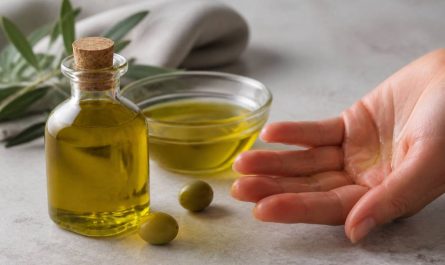
par It’s a common kitchen-to-bedroom thought: if olive oil is natural, smooth, and already in the house, could it work as a lubricant for sex? On paper, it sounds clever. In real life, the answer is a little more complicated.
Short version: yes, olive oil can reduce friction, but that doesn’t automatically make it a good choice for sex. Whether it’s safe or practical depends on how you use it, what kind of sex you’re having, and what your body tends to react to. If you’re curious, this guide breaks it down in a clear, no-nonsense way so you can make a choice that actually feels good.
Why people reach for olive oil in the first place
Let’s be honest: olive oil has a lot going for it. It’s easy to find, affordable, and it creates a slick, slippery feel that can seem ideal in the moment. Compared with a dry, uncomfortable session, it may feel like a quick fix.
People usually consider olive oil for a few reasons:
That “natural” label is appealing, but natural does not always mean body-friendly in every context. Poison ivy is natural too, and nobody’s putting that on a date night wishlist.
Can you use olive oil as a lubricant for sex?
Technically, yes, olive oil can be used as a lubricant on external skin because it is an oil-based substance that reduces friction. But “can” and “should” are not the same thing.
For some people, it may be fine for external sexual activity, such as manual stimulation or massage-style intimacy. For others, it can cause irritation, disrupt the balance of intimate areas, stain sheets, or create issues with condoms and toys. It also doesn’t rinse away as easily as water-based lubricant, which can matter more than you think after the fun part is over.
If you’re using it in a pinch, the key question is not just whether it works. It’s whether it works safely for your body and your specific situation.
What olive oil does well
Olive oil is thick, smooth, and long-lasting. That means it can stay slippery for a while, which is one reason people sometimes like oil-based products for massage and external contact.
Here are the main upsides:
For some couples, this can be useful during a sensual massage or extended external play. If the goal is smooth skin-to-skin touch and there are no condoms or silicone toys involved, olive oil may seem convenient.
Where the problems start
This is where things get important. Olive oil is not formulated as a sexual lubricant, and your body can notice the difference.
One issue is that oil can be harder to wash off. That sounds minor until you’re dealing with sticky sheets, residue on skin, or the feeling that your body is coated long after the moment is over. Another issue is that oil can trap bacteria and moisture in ways that may not be ideal for vaginal health.
For people with sensitive skin, olive oil can also cause irritation. Even if it feels great at first, your body may not love it later. And if you’re prone to yeast infections or recurring irritation, oil is often not the best idea.
There’s also the compatibility problem. Olive oil and latex condoms do not mix well. Oil breaks down latex, which can weaken condoms and increase the risk of breakage. That one detail changes everything.
Olive oil and condoms: a bad pairing
If you use condoms, olive oil is not a safe lubricant choice. This includes external condoms and internal condoms made of latex. Oil weakens latex and can compromise the condom’s integrity.
That means a condom that looks perfectly fine may be less reliable than you think. In the bedroom, “probably fine” is not the standard you want for pregnancy or STI protection.
If you’re using condoms, stick to a water-based or condom-safe silicone-based lubricant. It’s a small swap that protects the bigger picture.
Some people hear this and think, “Well, can I use olive oil if I’m not using condoms?” Maybe, but there are still other concerns to weigh, especially if penetration, toy use, or vaginal sensitivity are part of the equation.
Olive oil and sex toys
Whether olive oil works with sex toys depends on the material. With some toys, oil can be a problem. With others, it may not be ideal for hygiene or maintenance.
As a general rule, oil-based lubricants are not the best all-purpose option for sex toys. They can be difficult to fully clean off, and residue can linger in textured surfaces or seams. That matters because leftover oil can build up and affect toy hygiene over time.
Be especially cautious with:
If your toy is made from body-safe silicone, glass, or stainless steel, the material itself may not react badly to oil. But that doesn’t mean olive oil is your best choice. A toy-safe lubricant is still a cleaner, more practical option.
What about vaginal health?
This is where the conversation gets extra relevant. The vagina is a self-balancing ecosystem, and not every slippery substance plays nicely with it.
Olive oil can sometimes interfere with the healthy balance of vaginal flora. For some people, that can mean irritation, changes in discharge, or an increased risk of infections. While everybody is different, it’s smart to be cautious if you’ve had issues before.
You may want to avoid olive oil if you’re:
If you’ve ever had the frustrating experience of feeling “off” after trying something new, you know how quickly a seemingly harmless idea can turn into a post-intimacy annoyance. Your body deserves better than guesswork.
Can olive oil be used for anal sex?
People sometimes ask this because the thicker texture may sound useful for anal play. In theory, oil can provide lasting slipperiness. In practice, the same warnings apply, and then some.
Anal sex and anal play usually benefit from a lubricant that is long-lasting, easy to control, and compatible with condoms and toys. Olive oil is not ideal if condoms are involved, and cleanup can be messy.
Also, because anal tissue is delicate, the quality of lubrication matters. A product designed for sexual use is usually the safer bet. If you’re prioritizing comfort and reducing the risk of microtears, reach for a lubricant made for that purpose.
When olive oil may be okay
If you’re going to use olive oil, it’s generally best reserved for external, non-condom, non-toy situations where you’re doing a patch test first and you know your body handles it well.
Examples might include:
Even then, moderation matters. A little may be enough. More is not always better, especially if you’re trying to avoid residue and cleanup headaches.
A practical tip: test a tiny amount on your inner arm or another small patch of skin before using it more intimately. If your skin gets red, itchy, or uncomfortable, that’s your answer right there.
Better alternatives to olive oil
If you want something smooth, safe, and less likely to cause problems, there are better options than olive oil for most sexual activity.
Water-based lubricants are the most versatile. They’re usually condom-safe, toy-safe, easy to wash off, and widely available. They may need reapplication more often, but for most people they’re the easiest all-around choice.
Silicone-based lubricants last longer and feel very silky. They’re great for longer sessions and often work well in the shower too. They’re usually condom-safe, but can be incompatible with some silicone toys, so check the label.
Hybrid lubricants combine water and silicone for a balance of glide, easy cleanup, and comfort. These can be a good middle ground if you want something a little longer-lasting than water-based lube without going fully oil-based.
If you’re exploring lubricant options, the best one is the one that matches your body, your toys, and your protection method. There’s no prize for improvising with salad dressing when the right product is easier to find.
How to choose the right lubricant for your needs
Rather than asking, “Is olive oil okay?” a more useful question is, “What am I using it for?” That answer points you toward the right lube much faster.
Here’s a simple way to decide:
A good lubricant should make sex feel better, not add a mini science project to your night.
What if you’re in a pinch?
Sometimes you don’t have a bottle of lube nearby, and the moment is happening now. Life is not always wonderfully prepared. If olive oil is the only option, think carefully before using it.
Ask yourself:
If condoms or toys are in play, it’s better to wait or choose another option. If it’s external, brief, and you know your body tolerates olive oil, the risk may be lower. Still, don’t treat it like a universal substitute.
And if you do use it, wash the area afterward with mild soap and warm water, and pay attention to how your body feels in the next 24 to 48 hours.
Signs olive oil is not working for you
Your body is usually pretty clear when it dislikes something. The key is listening to it.
Stop using olive oil if you notice:
If symptoms persist, check in with a healthcare professional. That’s especially important if you’re dealing with recurrent vaginal symptoms or skin reactions.
A simple rule of thumb
Olive oil can create slipperiness, but it is not a one-size-fits-all lubricant for sex. It may be okay for some external situations, but it’s not ideal for condoms, many toys, or people prone to irritation or infection.
If you want the safest, most reliable option, a proper personal lubricant is usually the smarter move. It’s made for the job, which means fewer surprises and a better chance that the only thing you’re thinking about is pleasure.
Sex should feel easy, not experimental in the worst possible way. If olive oil is your backup plan, keep the limitations in mind. If you want a more dependable everyday option, choose a lubricant designed with bodies in mind.
At the end of the day, the best lube is the one that helps you feel comfortable, protected, and free to enjoy the moment. And that’s the whole point, isn’t it?