 par
par It’s a question a lot of people ask after a kitchen-cabinet moment of inspiration: Can olive oil be used as lube safely? Short answer: sometimes, but it’s not the best all-purpose option. The longer answer depends on how you plan to use it, whether condoms are involved, and how sensitive your body is to oils in general.
At GreenSexToy, we like practical pleasure advice that keeps things enjoyable without creating avoidable messes or risks. So let’s break down what olive oil can and can’t do, when it might be okay, and when you’re much better off reaching for a product designed specifically for sex.
What makes people consider olive oil in the first place?
Olive oil is easy to find, feels slick, and has a reputation for being “natural,” which makes it sound like a harmless substitute for commercial lubricant. If you’re in the middle of a spontaneous moment and don’t have lube nearby, the logic is understandable. No one wants friction turning a sexy evening into a “hold on, let me go shopping” situation.
It can also seem appealing because it’s inexpensive and familiar. Unlike some lubes, it doesn’t contain a long ingredient list that looks like it belongs on the back of a chemistry textbook. But “natural” doesn’t automatically mean “safe for every kind of intimate use.” Poison ivy is natural too, and nobody’s putting that in a massage bottle.
Can olive oil be used as lube safely?
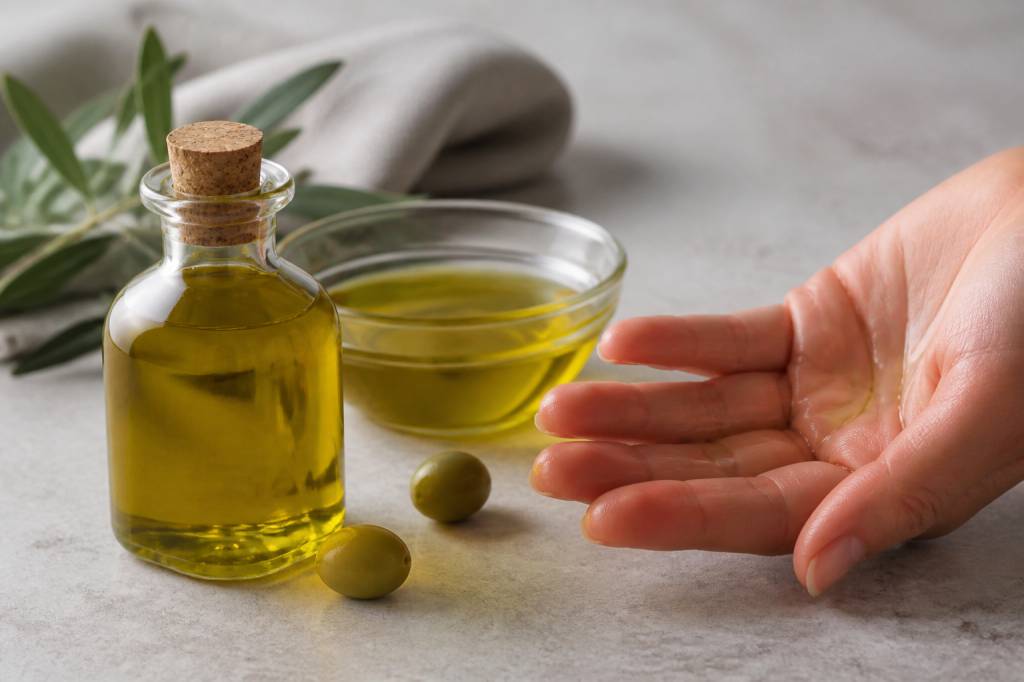
In some limited situations, olive oil may be used as a personal lubricant for external use. It can reduce friction temporarily, and some people find it comfortable for masturbation or external massage. That said, it is not a universally safe or ideal lubricant.
The biggest issue is that olive oil is an oil-based product, and oils interact poorly with certain materials and body environments. If you’re using condoms, sex toys made from certain materials, or you’re prone to irritation or infections, olive oil can create problems that outweigh the convenience.
So yes, olive oil can work as a lubricant in a pinch, but “can” and “should” are not always the same thing. That’s especially true when the goal is safe, low-maintenance pleasure.
The main pros of olive oil
Let’s give olive oil its due. There are a few reasons people like it:
- It feels smooth and silky on the skin.
- It’s easy to find in most kitchens.
- It may be suitable for non-penetrative external use.
- It tends to last longer than water-based lube before drying out.
- Some people prefer the simple ingredient profile.
For someone using hands only, with no condoms and no toys involved, olive oil can seem like a decent quick fix. It’s also often used in erotic massage because it creates glide without needing constant reapplication.
But the downsides matter more than the convenience, especially when you move beyond the “just a little on the skin” stage.
The risks you should know before using olive oil
This is where things get important. Olive oil is not designed for internal use in the same way that intimate lubricants are. Here’s why that matters.
It can weaken latex condoms
Oil and latex do not get along. Olive oil can break down latex, which may cause condoms to tear or fail. That means higher risk of pregnancy and sexually transmitted infections. If you’re using condoms, olive oil is a no-go.
This is the biggest red flag for many people. A lube that interferes with condom integrity is like wearing a raincoat with a hole in the shoulder. Technically, you’re trying, but the result is not very reassuring.
It may damage some sex toy materials
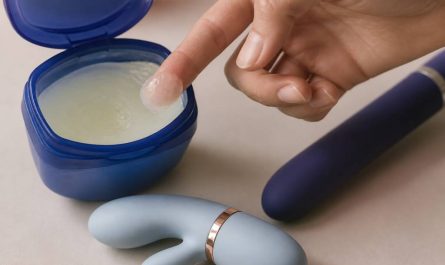
Many sex toys are made from materials that don’t love oil, including certain types of silicone and rubber blends. Olive oil can degrade the surface over time, making toys tacky, less durable, or harder to clean properly.
That means your favorite toy may not stay your favorite for long if you use it with olive oil regularly. If you’ve invested in quality pleasure products, it makes sense to protect them with a toy-safe lubricant.
It can be harder to clean
Unlike water-based lubes, olive oil leaves a residue. That can cling to skin, sheets, toys, and, yes, body folds. It may require more thorough washing after use, and if any oil remains in the genital area, it may contribute to a less balanced environment.
Let’s be honest: sex should feel good, not like you need a degreasing strategy and a mop.
It may increase the risk of irritation or infection
Some people tolerate olive oil just fine externally. Others don’t. Oil can trap bacteria and interfere with the natural balance of the vagina, which may increase the chance of irritation or infections for some users. This is especially relevant for vaginal use, where the environment is more delicate than many people realize.
If you’re prone to yeast infections, bacterial vaginosis, or general sensitivity, olive oil is probably not your friend. And if you’ve ever had a “why does everything suddenly feel off?” experience after experimenting with a new product, you already know how quickly one wrong choice can ruin the mood.
When olive oil might be okay
If you’re still wondering whether there’s any scenario where olive oil is acceptable, the answer is: yes, but with limits.
- External-only use: It may be okay for massage or masturbation on external skin.
- No latex condoms: Do not use it with latex barrier protection.
- No shared toys unless material-safe and thoroughly cleaned: Check toy compatibility first.
- Low sensitivity: Only if you don’t have a history of irritation or infections.
- Short-term, occasional use: Not as a regular go-to for penetrative sex.
Think of olive oil less like a full-time replacement and more like an emergency stand-in for very specific, limited situations. Helpful in a pinch? Maybe. The best long-term choice? Usually not.
When you should skip olive oil entirely
There are a few situations where the answer is a clear no:
- You’re using latex condoms.
- You’re using condoms for STI or pregnancy prevention.
- You’re using porous or oil-sensitive sex toys.
- You’re planning vaginal or anal penetration and want a lubricant that is body-safe and easy to clean.
- You have a history of yeast infections, BV, or irritation.
- You want something discreet, long-lasting, and low-maintenance.
For anal sex in particular, olive oil is not ideal. Anal play generally benefits from a thicker, longer-lasting lubricant designed for that kind of friction. Using the wrong product can make things uncomfortable fast, and comfort is not optional there.
What about coconut oil? Is that better?
People often compare olive oil and coconut oil because both are natural oils used in the bedroom by curious adults everywhere. Coconut oil has a similar set of pros and cons: slick texture, longer-lasting feel, and major compatibility issues with latex condoms and some toys.
Neither is a perfect substitute for a proper personal lubricant. If you’re choosing between the two, the “best” one is usually whichever your body tolerates better for external use only—but neither should be your first choice for protected or internal sex.
What lube is safer than olive oil?
If safety and versatility are the priorities, a lubricant made for sexual activity is the better bet. The right choice depends on what you’re doing.
- Water-based lube: Best all-around option, compatible with condoms and most toys.
- Silicone-based lube: Long-lasting, slippery, and great for shower sex or longer sessions; not always ideal with silicone toys.
- Hybrid lube: A mix of water and silicone for a balance of glide and easy cleanup.
- Anal-specific lube: Often thicker and designed to reduce friction more effectively.
If you use sex toys often, water-based lube is usually the safest default. If you’re sensitive or prefer a cleaner feel, look for formulas with minimal ingredients and no added fragrances or warming agents.
How to choose a better lubricant
Shopping for lube doesn’t have to be complicated. A few simple questions can help you choose wisely:
- Will you use condoms?
- Are you using toys, and what are they made of?
- Do you need something for vaginal, anal, or external use?
- Do you have sensitive skin or a history of irritation?
- Do you want easy cleanup or longer-lasting slip?
If you’re using latex condoms, choose water-based or silicone-based lube that explicitly says it’s condom-safe. If you’re using silicone toys, double-check compatibility before applying any silicone-based product. A minute of label-reading can save you a lot of frustration later.
If you do use olive oil, how can you reduce the risks?
If you’ve decided to use olive oil for external play despite the limitations, keep it as safe as possible:
- Use a small amount first and test for skin sensitivity.
- Avoid all latex condoms.
- Do not use it for internal vaginal use if you are prone to infections.
- Keep it away from materials that are known to be oil-sensitive.
- Wash skin and toys thoroughly afterward.
- Stop immediately if you notice burning, itching, or discomfort.
And if the goal is penetrative sex, anal play, or anything involving barrier protection, skip the improvised pantry experiment and use proper lube instead. Your body will usually thank you.
Common myths about olive oil and sex
Let’s clear up a few misconceptions that float around whenever this topic comes up.
Myth: Natural oils are automatically safe for intimate use.
Reality: “Natural” doesn’t mean compatible with condoms, toys, or sensitive tissues.
Myth: If it feels fine once, it must be fine every time.
Reality: Irritation and infections can show up later, especially with repeated use.
Myth: Olive oil is a good replacement for lube because it lasts longer.
Reality: Longer-lasting doesn’t matter much if it increases risk or ruins your condoms.
Myth: All lubes are basically the same.
Reality: The formula matters a lot, especially when condoms, toys, or sensitive anatomy are involved.
A simple rule of thumb
If you’re choosing lubricant for pleasure, start with products designed for sex. Olive oil may be acceptable for limited external use, but it should not be your default choice for vaginal penetration, anal play, or condom use.
A good lube should make intimacy easier, safer, and more comfortable. That’s the whole point. Anything that works against those goals—however silky it feels at first—probably belongs back in the kitchen.
The bottom line for better, safer pleasure
So, can olive oil be used as lube safely? In some cases, yes, but only in a narrow sense. For external use without condoms or toys, some people may use it without immediate issues. But for internal sex, condom use, and most toy play, it’s a poor substitute and can cause real problems.
If you want an option that supports comfort, safety, and spontaneity, choose a lubricant made for sexual use. That way, you can focus on the fun part instead of worrying about broken barriers, irritated skin, or an unexpectedly slippery cleanup mission.
Pleasure is always better when your lube actually works with you, not against you.